FROM WAR TO WHITE COAT: Personal Reflection


A Journey of Resilience, Purpose, and Service
By Dr. Jasmina Salcinovic-Spahic, DMSc, MMSc, MHA, PA-C, DFAAPA, ACHE
“I learned that compassion can be a form of survival.”
I was ten years old when war took away the childhood I knew. Before the Bosnian War, my family lived a comfortable life in Zenica, Bosnia and Herzegovina. Then, seemingly overnight, ordinary things became luxuries: a warm room, a glass of clean water, a full meal, and the certainty that we would live to see tomorrow.

I remember the air-raid sirens. I remember running for shelter instead of playing outside, changing schools as the fighting continued, and hearing reports of destroyed villages and lives lost. In the winters, my family carried wood from the forest to keep warm. We walked long distances to collect water. At night, when electricity was gone and candles were too expensive, we made light with oil and thread.
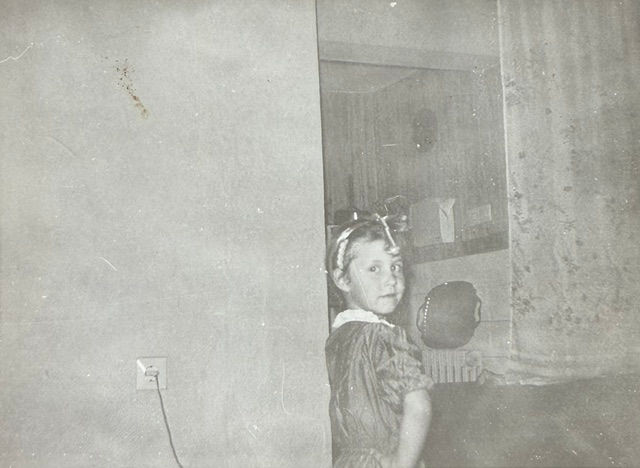
But the memory that stays with me most is hunger. I remember my parents going without food so my brother and I could eat. I remember walking with my mother to knock on neighbors’ doors, hoping someone could spare something. As a child, I could not change what was happening around us. I only knew how helpless it felt to watch people suffer—and how deeply I wanted, someday, to be able to help.

War showed me the fragility of life. It also showed me the extraordinary courage of ordinary people: parents who sacrificed quietly, neighbors who shared what little they had, and families who kept finding reasons to move forward. Long before I learned medicine from textbooks, I learned that compassion can be a form of survival.
In May 1997, another defining moment changed my life. Two days after we learned that our visas had been approved, my family left Bosnia for the United States. We arrived in Georgia with two bags of belongings and no English. We slept on the floor for months. Even buying groceries was difficult when we could barely communicate. Every evening, we studied words from a Serbo-Croatian English dictionary, testing one another after dinner.
I arrived in America without a roadmap, carrying fear, uncertainty, gratitude, and determination to build a better future. My father’s belief that education could open doors once closed by war became my guiding light. Having witnessed human suffering and the desperate need for medical care during the war, I was inspired to pursue medicine—not simply as a career, but as a calling to bring hope, compassion, and healing to others.
One unexpectedly ordinary moment helped turn that dream into a specific path. While working as a pharmacy technician during college, I overheard a physician mention a ‘PA program.’ I asked what that meant. That small question led to conversations, shadowing PAs in several specialties, and ultimately acceptance into Emory University’s PA program. I often think about how a life can change because someone takes the time to answer a question—and because we find the courage to ask it.
Years later, caring for Veterans brought my past and my purpose together in a way I never could have predicted. In hematology-oncology and other clinical settings, I listened to Veterans describe service, illness, loss, and the experiences they carried home. Some had served in Bosnia during the very war I survived. We spoke about familiar towns, places they remembered, and even Bosnian food. In those encounters, I was not simply a clinician treating a diagnosis. I was also a former child of war listening to another person who understood its lasting weight.

Those conversations reminded me that healing is never only physical. A patient may bring fear, grief, displacement, or unspoken memories into an exam room. That conviction has shaped more than 20 years of my work as a Physician Associate, including over 13 years serving Veterans. It also motivates my ongoing studies in social work, my commitment to mentorship and education, and my desire to bridge medical and behavioral healthcare.
Today, when I reflect on my degrees, professional milestones, and opportunities to lead, I think first of the people behind them: my parents who went hungry so we could eat, the neighbors who gave when they had little, and the Veterans who trusted me with their stories. They taught me that achievement means little unless it becomes service.
I cannot undo the war or give that frightened ten-year-old girl back the childhood she lost. But I can honor her by choosing what I do with the life that followed. I have learned that resilience is not the absence of fear or pain. It is finding a reason to keep going and, when you can, reaching back to help someone else move forward.
I once stood in line for water, uncertain of what tomorrow would bring. Today, I stand beside patients in their most vulnerable moments, offering the hope and compassion I once needed. The distance between those two worlds is measured not in miles or accomplishments, but in resilience, gratitude, and an unwavering commitment to turn hardship into healing and adversity into purpose.


Comments